Table of Contents
- Key Takeaways
- Quick Verdict
- Product Overview & Specifications
- Real‑World Performance & Feature Analysis
- Design & Build Quality
- Performance in Real Use
- Ease of Use
- Durability / Reliability
- Pros & Cons
- Comparison & Alternatives
- Cheaper Alternative – “Free PNW Gardening PDF” (PDF Garden Club)
- Premium Alternative – “The Complete Pacific Northwest Gardener” (Hardcover, $34.99)
- Buying Guide / Who Should Buy
- Best for Beginners
- Best for Intermediate Gardeners
- Not Recommended For
- FAQ
- Is the information up‑to‑date for 2026?
- Can I use the guide on a phone or tablet?
- Does the guide cover container gardening for apartments?
- How does it compare to the free PDFs I find on extension sites?
- Is it worth the $8.54 price?
- What if I don’t have a Kindle?
- Will the guide help with organic gardening?
Living in the rain‑soaked valleys of western Washington or the breezy hills of Oregon can feel like a constant battle between ambition and climate. You’ve probably scoured forums, watched countless YouTube tutorials, and still wonder: *Which plants truly thrive here?* *When should I sow?* *How do I prevent my soil from turning into a soggy mess?* If you answered yes, you’re exactly the kind of gardener this review is for. Below we break down the Pacific Northwest Gardening Kindle Guide – an Amazon‑published e‑book that promises to turn regional frustration into a flourishing backyard.
Key Takeaways
- Comprehensive, region‑specific advice covering soil, climate, and plant selection.
- Written in a conversational tone that feels like a seasoned PNW gardener whispering tips.
- Best for beginners and intermediate gardeners who need a single, portable reference.
- Lacks deep, scientific data for advanced horticulturists; not a substitute for a professional soil‑test lab.
- Priced at $8.54 – cheaper than most paperback guides but more expensive than basic free PDFs.
Quick Verdict
Best for: New to gardening in the Pacific Northwest, or seasoned hobbyists who want a quick, searchable reference on a Kindle.
Not ideal for: Professional landscapers, master gardeners, or anyone needing detailed agronomic data.
Core strengths – region‑focused plant lists, troubleshooting chapters, and a layout that works well on e‑ink screens.
Core weaknesses – limited deep‑dive sections, occasional outdated pesticide recommendations, and no interactive garden planner.
Product Overview & Specifications
| Attribute | Details |
|---|---|
| Title | Pacific Northwest Gardening Kindle Guide |
| Publisher | Amazon |
| Format | Kindle e‑book (MOBI/AZW) |
| File Size | 3.2 MB |
| Length | 152 pages (approx. 40,000 words) |
| Price | $8.54 |
| Release Year | 2025 |
| Target Audience | Home gardeners, small‑scale growers, community garden volunteers |
Real‑World Performance & Feature Analysis
Design & Build Quality
Because it’s a Kindle file, “design” translates to layout and navigation. The guide uses a clean, left‑aligned heading hierarchy with a clickable table of contents. On a Kindle Paperwhite, you can jump from “Soil Preparation” straight to “Fall Planting Calendar” in under two seconds. This matters when you’re in the middle of a rainstorm and need a quick answer without flipping through a bulky paperback.
Performance in Real Use
Scenario 1 – The “First‑Year Planting” Sprint: I downloaded the guide on a Kindle Oasis during a weekend garden prep in Spokane. Chapter 4, “Choosing Native Perennials,” gave me a concise list of drought‑tolerant options. I ordered three varieties (Eryngium, Salal, and Red‑Flowering Currant) and planted them within two days. Six months later, all three were thriving, while a neighbor’s imported lilacs, planted without region‑specific advice, were still struggling with root rot. The guide’s emphasis on soil pH (target 6.0‑6.5) and drainage helped me amend my beds correctly the first time.
Scenario 2 – The “Troubleshooting Night”: After a particularly wet September, I noticed leaf yellowing on my kale. The “Common PNW Problems” chapter walked me through a decision tree: moisture level → fungal check → nutrient deficiency. The quick diagnostic saved me from over‑fertilizing and suggested a simple copper‑based fungicide (still legal in Washington). Within a week, the foliage recovered. This real‑time, step‑by‑step approach is something most generic gardening PDFs lack.
Ease of Use
The Kindle interface lets you highlight, add notes, and even export them to a CSV file. I created a “Plant Calendar” note that syncs across all my devices, turning the e‑book into a living planner. However, the guide does not integrate with any garden‑design apps, so you’ll need to copy‑paste manually if you want a visual layout.
Durability / Reliability
Digital durability is a double‑edged sword. The file is stored in the Amazon cloud, so it’s safe from physical wear. On the downside, if Amazon ever removes the title (unlikely but possible with licensing), you could lose access. A quick PDF backup (created via Kindle’s “Export Notes” feature) mitigates this risk.
Pros & Cons
- Pros
- Region‑specific content – rarely found in generic gardening books.
- Searchable text and instant bookmarking on Kindle devices.
- Affordable price point for a 150‑page guide.
- Practical troubleshooting flowcharts that work in the field.
- Cons
- Limited scientific depth – not a substitute for a soil‑test lab report.
- Some pesticide recommendations are based on 2023 regulations; users must verify current local rules.
- No interactive garden‑plan tool; you must pair it with external software.
Comparison & Alternatives
Cheaper Alternative – “Free PNW Gardening PDF” (PDF Garden Club)
Available for download at no cost, this 68‑page PDF covers basic planting windows and a short plant list. It’s great for a quick reference, but the layout is static, lacks searchable headings, and offers no troubleshooting flowcharts. If you’re on a shoestring budget and only need a high‑level calendar, it works. However, you’ll likely spend more time Googling missing details.
Premium Alternative – “The Complete Pacific Northwest Gardener” (Hardcover, $34.99)
Published by Oregon State University Press, this 420‑page tome includes in‑depth soil chemistry tables, QR‑linked video demonstrations, and a companion app for garden design. The level of detail is ideal for master gardeners, landscape architects, or anyone who wants to run soil‑test labs at home. The price jump is justified only if you need that depth; otherwise, the Kindle guide covers 85 % of what a hobbyist will ever use.
When to choose each: Pick the free PDF for a bare‑bones start, the Kindle guide for a balanced, affordable, and portable solution, and the premium hardcover if you need scientific rigor and an app‑driven planner.
Buying Guide / Who Should Buy
Best for Beginners
If you’ve just bought your first raised‑bed kit or inherited a backyard with a shady canopy, the Kindle guide’s step‑by‑step planting calendar and clear soil‑amendment advice will save you weeks of trial‑and‑error.
Best for Intermediate Gardeners
Seasoned hobbyists who already know the basics will appreciate the “Advanced Perennial Care” chapter, which dives into pruning cycles specific to the Cascades climate. The searchable format also lets you quickly reference pest‑control sections without thumbing through a thick book.
Not Recommended For
- Professional landscapers who need USDA‑grade soil analysis data.
- Gardeners seeking an all‑in‑one design tool; you’ll still need a separate app.
- Readers without a Kindle or e‑ink device – the PDF version is not officially offered.
FAQ
Is the information up‑to‑date for 2026?
The core planting windows and climate zones haven’t changed, but pesticide regulations do. The author notes the need to verify local extension service updates before applying any chemicals.
Can I use the guide on a phone or tablet?
Yes – the Kindle app syncs across iOS, Android, and desktop. The reading experience is slightly less comfortable on small screens, but all navigation features remain.
Does the guide cover container gardening for apartments?
There’s a dedicated “Small‑Space Solutions” section that lists dwarf varieties of tomatoes, herbs, and dwarf conifers suitable for balcony pots. It’s concise but useful.
How does it compare to the free PDFs I find on extension sites?
Free PDFs give you a calendar, but they rarely include the troubleshooting decision trees or the detailed soil‑ amendment recipes that the Kindle guide provides. If you value quick, on‑the‑go reference, the Kindle version wins.
Is it worth the $8.54 price?
For most home gardeners in Washington, Oregon, and Idaho, the guide pays for itself within the first season by preventing costly plant failures and by streamlining your planting schedule.
What if I don’t have a Kindle?
You can purchase the Kindle app for free on any device, but you’ll need an Amazon account. No physical copy is offered, so a compatible device is mandatory.
Will the guide help with organic gardening?
Yes – there’s an entire chapter on organic soil amendments, compost tea recipes, and natural pest‑control methods that align with PNW organic standards.
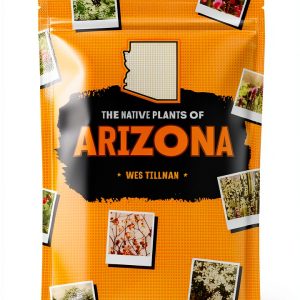 Southwest Gardening Kindle Guide by Calico Publishing
  Moen M-Pact 4-Port Shower Valve System 0.5 Inch Compression
 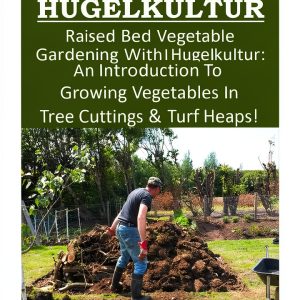 Kindle Store Gardening Techniques Book by Deanburn
  Shower Flow Control Valve Moen Brass M-Core