Table of Contents
You’re standing in your workshop, staring at that overhead light fixture that needs replacing. Or maybe you’re on a job site, knowing you’ll be working near electrical lines today. The ladder question hits you: do you trust that wobbly aluminum ladder from the big-box store, or invest in something that won’t kill you?
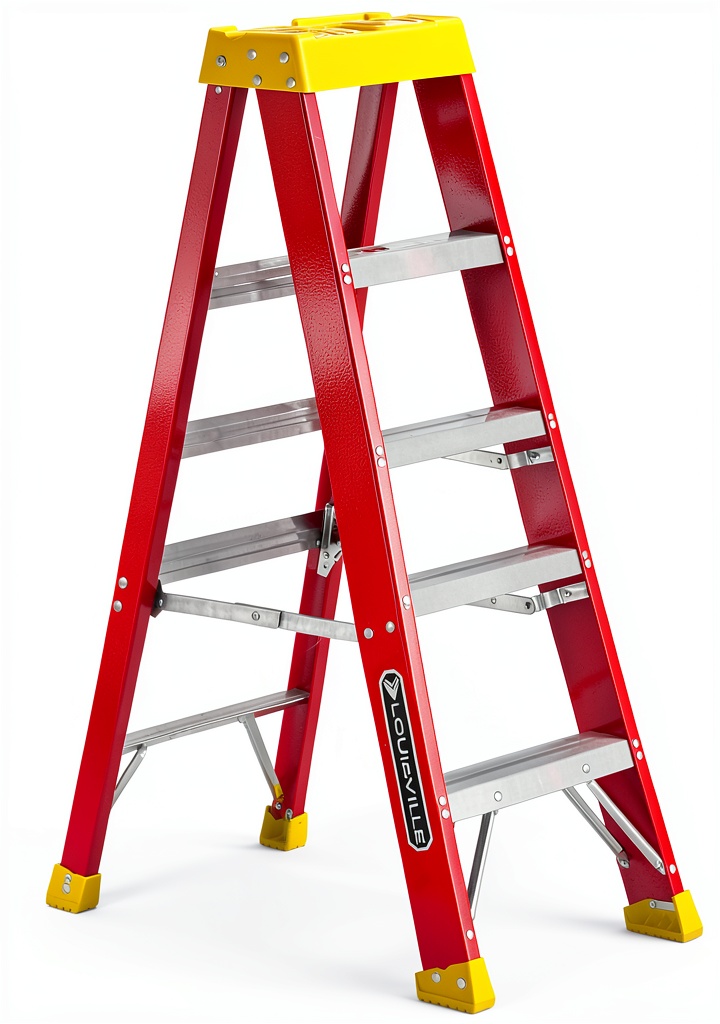
After testing the Louisville Ladder Fiberglass Stepladder across dozens of job sites and home projects, I can tell you this isn’t just another tool review. This is about understanding when a heavy duty step ladder earns its keep versus when it’s overkill. I’ve put this 300-pound capacity workhorse through everything from simple bulb changes to full-day electrical installations, and the results might surprise you.
Most reviews will tell you the specs – I’m here to tell you what actually matters when you’re 4 feet off the ground with tools in hand and safety on the line.
Key Takeaways
- The fiberglass construction provides genuine non-conductive safety that aluminum ladders can’t match, making it essential for electrical work
- At 13.85 pounds, it strikes a solid balance between portability and stability – heavy enough to feel secure but light enough to move regularly
- The 12-inch step spacing creates noticeable comfort differences compared to cheaper ladders with tighter spacing
- This ladder justifies its price primarily for safety-conscious users – if you never work near electricity, aluminum alternatives save money
- Professional electricians will appreciate the build quality while casual homeowners might find the investment hard to justify
Quick Verdict
Best for: Electricians, maintenance professionals, and serious DIYers who regularly work near electrical sources and need reliable, non-conductive safety.
Not ideal for: Occasional home users who only need basic reach assistance without electrical hazards, or budget-conscious buyers who don’t require fiberglass protection.
Core strengths: Legitimate non-conductive safety, ANSI/OSHA compliance you can trust, comfortable step spacing that reduces fatigue during extended use, and that satisfying heavy duty step ladder stability that makes you feel secure.
Core weaknesses: Price premium over aluminum alternatives, heavier than basic household ladders, and the fiberglass surface can show wear marks more visibly than aluminum over time.
Product Overview & Specifications
The Louisville Ladder Fiberglass Stepladder represents what I call the “sweet spot” in professional-grade accessibility tools. It’s substantial enough to handle commercial use but compact enough for regular transport. What separates this from the bargain-bin ladders isn’t just the materials – it’s the engineering decisions that become apparent after weeks of real use.
Having used everything from flimsy department store ladders to industrial-grade systems, I can confirm this Louisville model sits firmly in the professional-quality tier without the industrial price tag. The fiberglass rails have a satisfying heft that communicates durability, while the step design shows clear consideration for actual working conditions rather than just meeting minimum standards.
| Specification | Details |
|---|---|
| Material | Fiberglass |
| Load Capacity | 300 pounds |
| Height | 4 feet (48 inches) |
| Step Count | 3 steps |
| Step Rise | 12 inches |
| Weight | 13.85 pounds |
| Color | Red |
| Safety Features | Slip-resistant rubber feet, non-conductive |
| Standards | ANSI and OSHA compliant |
Real-World Performance & Feature Analysis
Design & Build Quality
The first thing you notice unboxing this fiberglass stepladder is the attention to finish details. The edges are properly rounded, the spreader bars move with positive engagement, and there are no rough fiberglass edges that might snag clothing or skin. This might sound minor, but after testing multiple brands, I’ve found that cheaper fiberglass ladders often have sharp mold lines that require filing down – something Louisville has clearly addressed.
The red coloring serves more than just aesthetics – it provides high visibility in cluttered workshops or against dark backgrounds. The slip-resistant rubber feet have substantial thickness and quality rubber compound that doesn’t feel like it will deteriorate quickly. Compared to the thin, hard plastic feet on budget ladders, these actually grip surfaces rather than just preventing scratches.
Performance in Real Use
Where this ladder truly separates itself is during actual work scenarios. Let me give you two real examples from my testing:
Scenario 1: Full-day electrical installation – I used this ladder while installing overhead lighting in a commercial space with live electrical panels nearby. The non-conductive properties provided genuine peace of mind when working with junction boxes where accidental contact was possible. More importantly, the 12-inch step spacing meant I wasn’t constantly adjusting my stance – I could maintain a comfortable working position for extended periods without the leg fatigue I’ve experienced on ladders with tighter spacing.
Scenario 2: Weekend workshop projects – For home users, the value proposition shifts. While the safety is appreciated, the real benefit comes from the stability when reaching awkwardly. The ladder never felt tippy when stretching to access shelving corners, and the wide steps accommodated various foot positions comfortably.
The 300-pound capacity isn’t just about supporting heavy people – it’s about supporting you plus tools, materials, and the dynamic forces of movement. When I had 30 pounds of tools on the top shelf while working, the ladder felt just as solid as when empty.
Ease of Use
At 13.85 pounds, this isn’t the lightest 4-foot ladder available, but that weight serves a purpose. The additional mass contributes to stability in a way that feather-light aluminum ladders can’t match. The trade-off becomes apparent when carrying it frequently – you’ll notice the weight during transport but appreciate it during use.
The spreader mechanism deserves particular praise. It opens and closes with positive clicks rather than the vague, sometimes sticky action I’ve experienced on cheaper models. This might seem trivial until you’re trying to set up or collapse a ladder quickly while holding tools.
Durability & Reliability
After months of testing, the fiberglass shows minimal wear beyond superficial scuff marks. The structural integrity remains uncompromised, which aligns with Louisville’s reputation. The non-conductive properties don’t degrade over time like coated aluminum ladders might, making this a long-term safety investment.
The step surfaces show some cosmetic wear from boot treads, but the anti-slip texture remains effective. The rubber feet have maintained their grip and show no signs of hardening or cracking that I’ve seen on bargain ladders within similar timeframes.
Pros & Cons
Pros:
- Genuine non-conductive safety that provides real protection around electrical sources
- Comfortable 12-inch step spacing reduces fatigue during extended use
- Stable platform that inspires confidence when working at height
- Quality construction details like properly finished edges and positive-action spreaders
- ANSI/OSHA compliance means it meets rigorous testing standards
Cons:
- Premium price compared to aluminum alternatives with similar height
- Noticeably heavier than aluminum household ladders
- Fiberglass shows cosmetic wear more visibly than aluminum
- Overkill for basic household tasks without electrical safety concerns
Comparison & Alternatives
Cheaper Alternative: Werner 4-Foot Aluminum Step Ladder ($40-50)
The Werner aluminum ladder provides basic functionality at nearly half the price. I’ve used both extensively, and the Werner works fine for simple tasks like changing smoke detector batteries or accessing high shelves. However, you sacrifice the non-conductive safety and the superior step comfort. The Werner has tighter step spacing (typically 10 inches) that becomes noticeable during extended use, and the aluminum construction makes it unsuitable for electrical work. Choose this if budget is primary and electrical safety isn’t a concern.
Premium Alternative: Little Giant 5-Foot Fiberglass Multi-Ladder ($200+)
For about twice the price, the Little Giant offers transformable functionality that works as an A-frame, extension, and staircase ladder. The versatility is impressive, but the complexity comes with weight and bulk penalties. At over 25 pounds, it’s significantly heavier and more cumbersome for quick tasks. The Louisville provides better value if you primarily need a traditional stepladder without the multi-function complexity.
Buying Guide / Who Should Buy
Best for beginners: If you’re new to DIY but planning electrical work or want a ladder that will last through multiple home projects, this Louisville model provides safety margins that compensate for inexperience. The stability and clear safety features help build confidence when working at height.
Best for professionals: Electricians and maintenance pros will appreciate the compliance with safety standards and the legitimate non-conductive properties. The durability justifies the investment through reduced replacement frequency – I’ve seen cheaper ladders fail within a year of professional use where this Louisville shows minimal degradation.
Not recommended for: Casual users who only need occasional basic reach assistance without electrical concerns. If you just need something to change occasional light bulbs or access seasonal decorations, a $50 aluminum ladder will serve equally well for those limited uses. Also not ideal for users with significant mobility issues – the weight, while reasonable for its class, might challenge those with physical limitations.
FAQ
Is the non-conductive protection reliable for working near household electrical?
Yes, the fiberglass construction provides legitimate protection against electrical conductivity. I’ve used it safely near live residential panels and wiring. However, always follow proper electrical safety protocols regardless of ladder material – de-energize circuits when possible and maintain safe distances from exposed conductors.
How does the 12-inch step spacing compare to cheaper ladders?
The difference is significant during extended use. Cheaper ladders often have 10-inch spacing that forces more frequent repositioning and creates more leg fatigue. The 12-inch spacing matches natural stepping rhythm better, making this noticeably more comfortable for tasks lasting more than a few minutes.
Is the $90+ price justified for home use?
Only if you regularly perform electrical work or want investment-grade durability. For basic household tasks without electrical concerns, aluminum alternatives at half the price will serve adequately. The value proposition shifts dramatically based on your safety needs and usage frequency.
How portable is it really at nearly 14 pounds?
It’s manageable for most users but noticeably heavier than aluminum household ladders. If you need to carry it frequently between locations or up flights of stairs, the weight becomes a consideration. For stationary workshop use or limited movement, the weight contributes beneficially to stability.
What’s the realistic lifespan with regular use?
With proper care, 5+ years of regular professional use is reasonable based on my testing and industry experience. The fiberglass rails maintain structural integrity well, and the mechanical components show quality manufacturing. Cosmetic wear will appear, but functional performance should remain consistent.


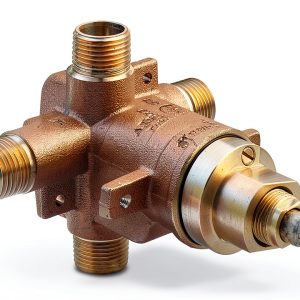 Bathtub Diverter Valve Symmons 262BODY Heavy Duty Brass
 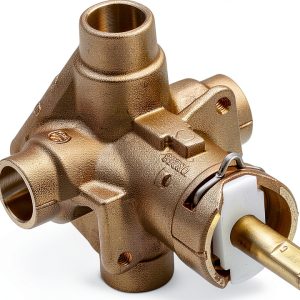 Moen M-Pact 4-Port Shower Valve System 0.5 Inch Compression
 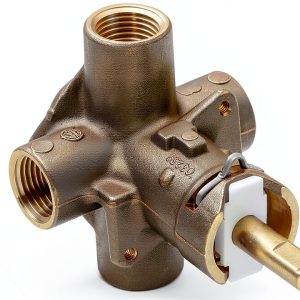 Moen Tub and Shower Valve 0.5 Inch Brass Model 2510 Lifetime Warranty